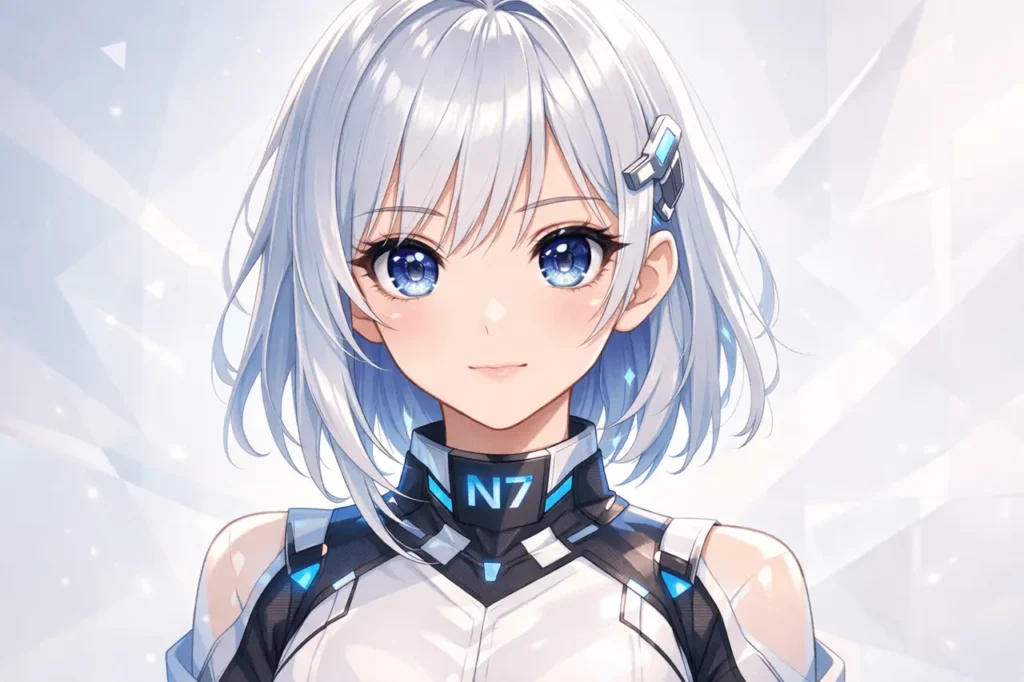
Niji 7 is the latest version of the anime-centric AI art model created by Nijijourney. It is a significant upgrade over its predecessors. It was released in the early part of January 2026, about a year after the previous version, Niji 7, and aims to deliver better visual quality, faster response times, and a refined art style that appeals to fans of anime and digital artists alike. This article explains all the key updates in Niji 7, how to utilise them, and the advantages they can bring to your process.
What Is Niji 7?
Niji 7 is the newest version of nijijourney’s AI generative model, designed explicitly for anime and illustrations. It builds on the strengths of previous versions, specifically Niji 6, and prioritises the accuracy of prompt interpretation, coherence, and a clear, expressive visual style.
To download the version you are using:
- In Discord, append –niji 7 to your prompt.
- The web-based interface lets you select “Niji 7” from the version dropdown.
Significant Improvements in Image Coherency
One of the significant improvements in Niji 7 is its coherence, the model’s ability to create images that are both logically consistent and clear. Initial examples shared by developers showcase improvements in features such as eyes, facial reflections and even small environmental elements such as textures or petals.
This is a reference to:
- Sharper Lines: Better definition in the outlines and shapes, which are the most important when it comes to anime artwork.
- Enhances Clarity and Detail: Complex elements are rendered with greater clarity.
- Better Compositions: Scenes are more effectively rendered, particularly with complex characters or objects.
Niji 7’s improved coherence sets it apart from its predecessors, making generated images feel more thoughtful and evocative.
Superior Prompt Following
Niji 7 also delivers noticeable improvements in how it interprets and responds to particular user prompts. The tests conducted by the creators
- Simple spatial directions (e.g. the placement of one red cube to the left side and a blue cube to the left) were executed with precision.
- Character descriptions that included multiple distinct characteristics (e.g., hair colour, distinctive accessories, and legs) were more consistent.
The model’s expanded literal interpretation implies that prompts designed to be vague and “atmospheric” may not yield the same unambiguous, imaginative results as users experienced with older versions. The creators have pointed out that Niji 7 gives precisely what you need, but you may need to tweak the prompt’s style to achieve the best results.
Backwards Compatibility and Feature Porting
Niji 7 provides backwards compatibility for a variety of features from previous versions, thereby satisfying users’ requests for feature continuity. Some of these include:
- Traditional flags such as –sv 4 (used with style directives) are still supported in the new model.
- Several other features that were previously available in earlier Niji versions were carried over.
One of the most prominent features worth mentioning is the sref (style reference), which allows users to direct artwork generated to specific styles using reference tokens. This will enable artists to exercise greater creative control and maintain uniformity across artworks.
It’s important to note, however, that not every old feature was incorporated into Niji 7. For instance, cref (character reference) isn’t currently supported; however, developers are hinting that something more exciting is in the works.
Aesthetic Enhancements and Artistic Philosophy
Niji 7 isn’t just about technical advancements; it also displays an intelligent design approach in anime. The designers focused on two fundamental aesthetic principles:
- Line Quality: Animation art is a significant focus for lines, not only to define form but also to communicate character, lighting, and context. Niji 7 pays particular attention to clearer, visually appealing line work that is in sync with the traditional anime style.
- Spatial Simplicity: Simple (or flat) elements from anime need an exact balance of emptiness and detail. Niji 7 incorporates this philosophy by tweaking the model to accommodate vast negative spaces without losing aesthetic appeal.
It’s an aesthetic output style that combines clarity of lines and simplified design, resulting in images that appear more refined and more user-friendly across a range of purposes, from characters to advertising art.
What’s Missing, and What’s Next?
While Niji 7 brings many upgrades, some notable features are missing or in development:
- Cref not available: Character reference isn’t yet supported, although its eventual return or replacement is planned.
- Customisation: Tools (Pending). Features such as moodboards and rating tasks, designed to let you personalise your art style, are planned for release in the near future following the Niji 7’s launch.
These improvements indicate that Niji 7 is a step into an ongoing development and will include more flexible workflows in the pipeline.
How to Get the Most Out of Niji 7?
To fully benefit from the model, consumers must:
- Craft-Specific Instructions: Because Niji 7 gives literal interpretations, precise and straightforward prompts yield the most effective results.
- Explore the Sref: The style references let you steer the direction of your artwork more precisely.
- Set the Prompt Tone to Encourage Creative Thinking: If you like a looser and more mood-driven outcome, think about the way that words and structures affect the generation.
No matter if you’re working on individual character artwork, intricate scenes or conceptual designs, working with Niji 7 with intention will produce the finest output.
My Final Thoughts
Niji 7 is a confident, technically advanced release that values the reliability of its products over novelty. The improved coherency and rapid interpretation make it suitable for those who want control, precision and predictable results. While specific tools developed in the past, such as references to characters, backwards-compatible features for some essential features, and improved features for sref, demonstrate a distinct dedication to continuity and flexibility.
With mood boards and personalisation tools to be added in the coming days, Niji 7 feels less like a definitive destination and more like the basis for the next stage of anime AI art creation. If you are willing to modify your own prompting style, Niji 7 offers one of the most consistently and artistically specific AI experiences for image generation currently available.
Frequently Asked Questions (FAQs)
1. What does it mean? Niji 7?
Niji 7 comes with the most recent version of the anime-oriented AI art model created by nijijourney, offering improvements in fidelity, coherence, and the ability to express your style in visuals.
2. How do I use Niji 7 in Discord?
On Discord, add the word “niji 7” to the last line of your message to generate images using the Niji 7.
3. What are the improvements Niji 7 offers over previous versions?
This version offers greater clarity, more consistent prompt follow-up, and a more refined anime-like aesthetic, with improved space handling and line work.
4. Are older models compatible with Niji 7?
Yes, many features, like –sv4, are supported, even though some, such as cref, aren’t yet included.
5. Are there personalised features and moodboards for Niji 7?
Developers are planning to launch personalisation tools and moodboards within the next few days, following the initial release of Niji 7.
6. Does Niji 7 work better with a specific prompt style?
Since it interprets prompts more literally, precise instructions usually yield more accurate results.
Also Read –
How to Access Midjourney for Free: 100% Legal Methods in 2025 (Updated)